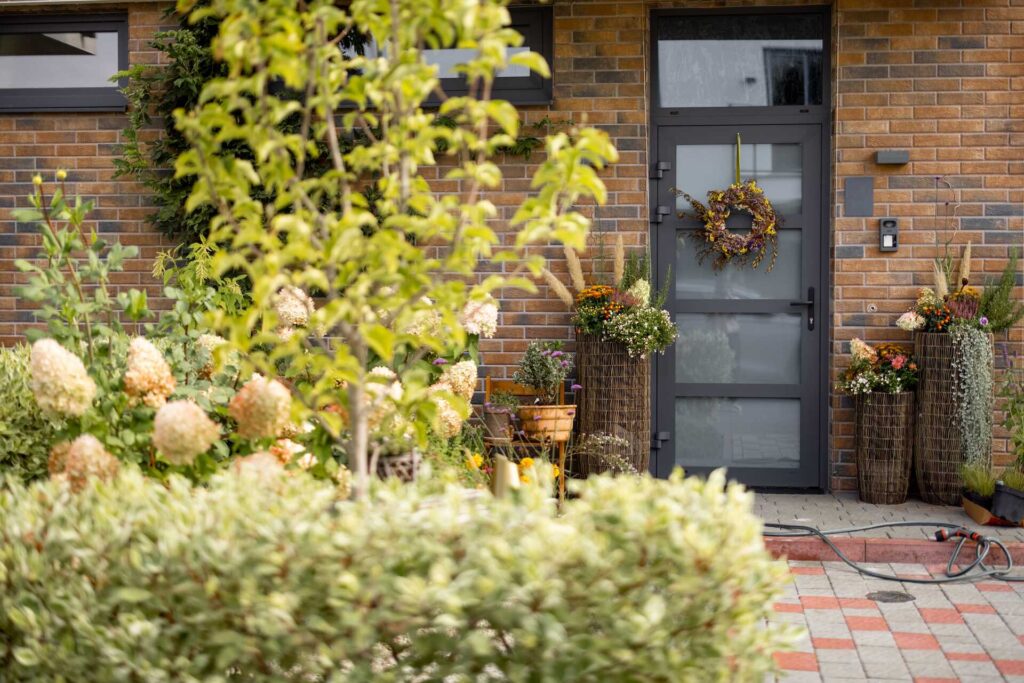

The Role of Stable Housing in Early Recovery: Why Where You Live Matters
Recovery from addiction requires more than just the decision to get sober. It demands a complete restructuring of your life, your routines, and your environment. One of the most critical factors in successful early recovery is where you live.
The Environment Shapes the Recovery
When someone leaves treatment, they’re entering one of the most vulnerable periods of their recovery journey. The transition from the structured, supportive environment of rehab to independent living can be jarring. Without the right housing situation, even the strongest intentions can unravel.
Stable housing provides more than just a roof over your head. It creates the foundation for everything else recovery requires: attending meetings, finding employment, building healthy relationships, and developing new routines. When your living situation is chaotic or surrounded by triggers, maintaining sobriety becomes exponentially harder.
The Dangers of Returning to Old Environments
Many people in early recovery make the mistake of returning to the same living situation they left before treatment. Old triggers are everywhere. The street corner where you used to meet your dealer. The room where you used to get high. The people who only knew you as an active addict. These environmental cues can trigger cravings and make it incredibly difficult to maintain the new identity you’re building in recovery.
What Stable Housing Actually Looks Like
Stable recovery housing isn’t just about being drug-free. It’s about creating an environment that actively supports sobriety through structure, accountability, and community.
This means living with people who are also committed to recovery. It means having house rules that create routine and responsibility like curfews, chores, meeting requirements, and regular drug testing. It means having support when you’re struggling and accountability when you’re slipping.
Recovery housing bridges the gap between the intensive structure of treatment and the independence of living on your own. It gives you time to build the skills, habits, and support network you need before facing the world without that daily structure.
The Pittsburgh Reality
In Pittsburgh, recovery housing options range widely in quality and approach. Some are well-run, licensed programs with real structure and support. Others are essentially slumlord operations that warehouse people in recovery while extracting rent payments with minimal oversight or care.
The difference matters. A good recovery house provides safety, structure, and genuine support. When evaluating recovery housing, ask questions: Is it DDAP licensed? What are the house rules? What happens if someone relapses? How involved is the house manager?
Why Location Matters
Beyond the house itself, location plays a crucial role in recovery success. Can you get to 12-step meetings easily? Is there public transportation if you don’t have a car? Can you walk to a grocery store? Are there employment opportunities nearby?
Isolation is dangerous in early recovery. Being stuck in a house with no transportation and no way to engage with the recovery community creates its own set of problems. The ideal recovery housing situation puts you in a position to actively participate in your recovery.
Making the Right Choice
Choosing where to live in early recovery is one of the most important decisions you’ll make. It’s not just about finding a bed. It’s about creating the environment where your recovery can take root and grow.
If you’re transitioning out of treatment or looking for a more supportive living situation, take the time to find recovery housing that actually supports your goals. Ask questions. Visit the house. Talk to current residents. Make sure the environment matches what you need in this stage of your journey.
Recovery is hard enough without fighting your living situation every day. The right housing won’t make recovery easy, but it will make it possible.